Sometimes, isolation creeps in quietly. For many people with disabilities, it begins when simple social activities become hard to access. While the NDIS has helped improve support, loneliness remains a real issue in Australia. In fact, according to a 2021 report by the Australian Institute of Health and Welfare, individuals with disabilities are more likely to feel socially excluded.
So, how can we fix this? The answer lies in meaningful connection. Engaging in the right social activities can improve mental health, boost confidence, and make everyday life more enjoyable. With proper planning and NDIS support, people with disabilities can enjoy a wide range of fun and inclusive events.
What Are the Best Social Activities for People with Disabilities?
Social activities come in many forms. From creative hobbies to sports or nature-based outings, there’s something for everyone. These activities aren’t just about fun—they’re about connection, inclusion, and purpose.
1. Creative Activities that Encourage Self-Expression and Joy
Art therapy, painting, and crafting offer a calm space to express emotions. These activities also build motor skills and focus. Group art classes allow individuals to bond while creating something meaningful. It’s a safe and welcoming environment where everyone can shine.
2. Community-Based Programs that Promote Interaction
Local community centres offer inclusive events like dance nights, trivia games, or game days. These group events allow people with disabilities to meet new friends and feel part of something bigger. Many of these programs are NDIS-approved, making them accessible to participants who need assistance.
3. Inclusive Sports for Physical Health and Confidence
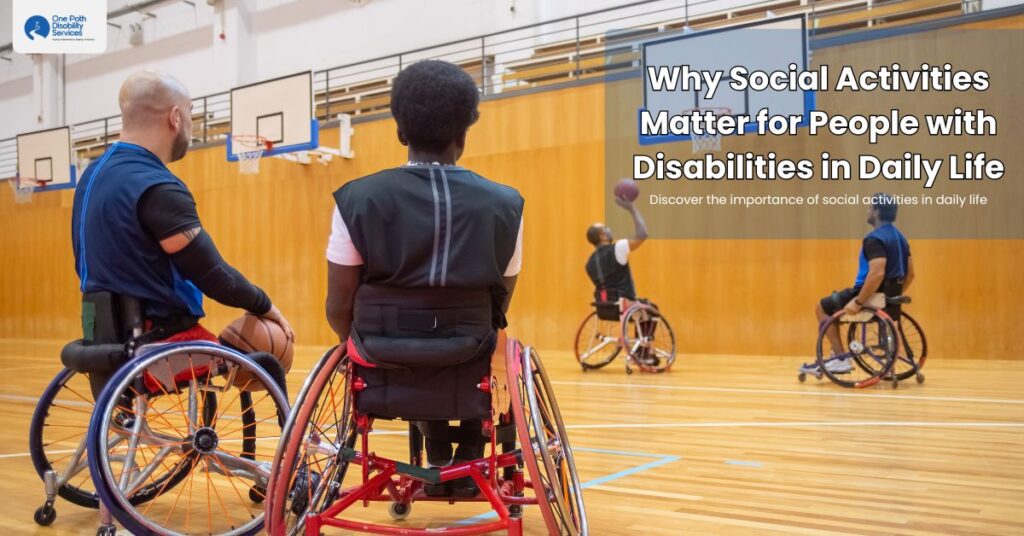
Sports aren’t just for elite athletes. Wheelchair basketball, swimming, and inclusive yoga are great for building confidence. They also help maintain physical strength and coordination. Most importantly, they’re a fun way to be part of a team.
4. Outdoor Activities that Support Mind and Body Wellness
Nature walks, community gardening, or picnics are relaxing ways to connect with others and enjoy fresh air. These simple social activities can improve mood and reduce anxiety. Accessible parks and gardens in Australia now offer pathways designed for wheelchairs or mobility aids.
5. Technology-Based Social Engagement for Flexibility
Not everyone can attend events in person. That’s where technology helps. Online games, virtual meetups, or creative workshops over Zoom offer flexible options. These virtual spaces are growing in popularity—especially among younger participants.
Key Takeaways
- Social activities improve mental health, confidence, and quality of life for people with disabilities.
- Options include arts, inclusive sports, nature outings, and virtual meetups.
- NDIS support is essential for funding and accessibility.
- Programs must be personalised to suit different abilities and needs.
- Everyone deserves connection, and these activities help build that in a meaningful way.
FAQs
What are good social activities for someone in a wheelchair?
Inclusive sports, virtual workshops, or accessible nature outings are great options.
How can people with disabilities meet new friends?
Community centres, online groups, and NDIS-funded activities offer many social spaces.
Can NDIS funding cover social activities?
Yes. As long as the activities align with the participant’s goals, NDIS funding can help.
Are there online social activities for people with disabilities?
Absolutely. From virtual karaoke to online games, there are many fun and accessible options.